Design
  Residential
  Commercial


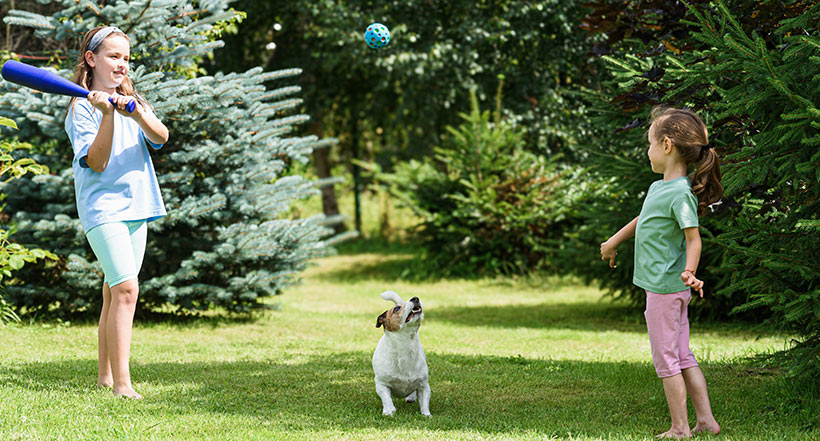
By the time late August rolls around, your lawn has seen some things: kids, dogs, sprinklers, bare feet, soccer balls, slip-n-slides, and probably a few holes that mystify one on how they got there.
If you have a busy household, you are not just caring for a lawn, you are maintaining a healthy and safe play space that needs to remain reasonably green.
The trick is to find the perfect balance between having a nice lawn and enjoying life so that you do not have to choose between the two.
A lawn that supports kids, pets, and real life will not look like a golf course and that's okay. Choose your battles and enjoy the yard.
Step 1: Decide what your lawn is really for
Before you worry about every brown spot, decide what you really want to use your yard for. What is its ultimate purpose?
- Where do the kids naturally play?
- Where does the dog patrol or rest?
- Which areas do you care about most when it comes to curb appeal?
Your lawn does not need to be perfect everywhere; you simply need a lawn that works for you and one that meets your needs.
- Do you want a front yard that stays beautiful and is lightly used?
- Do you want your backyard to be tougher, more forgiving, and maybe a little less Instagram-ready?
- Is your side yard the designated dog zone or soccer field?
Once you know your zones, you can set different expectations for each.
Step 2: Tackle pet spots without losing your mind
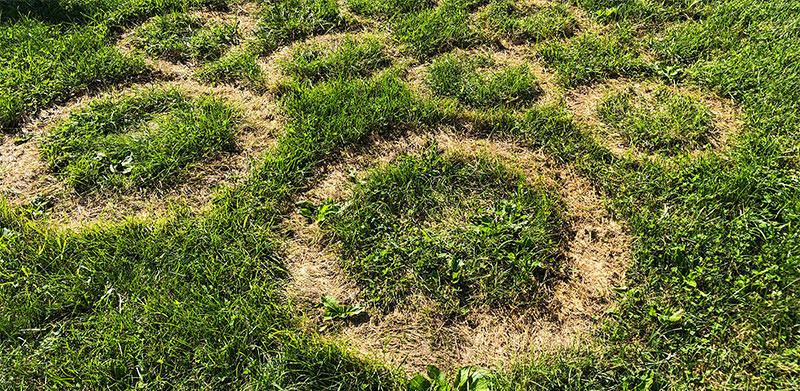
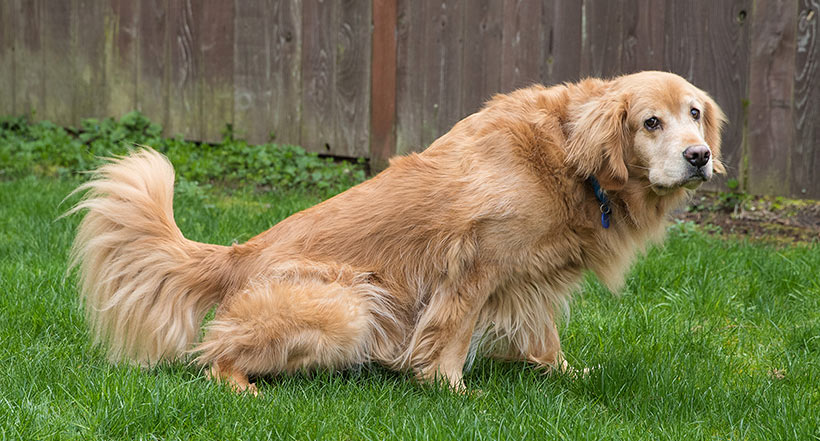
Dog urine spots are one of the most common homeowner frustrations. Those little yellow patches show up, the grass dies in the center, and a dark green ring appears around the outside.
What is happening
Dog urine is high in nitrogen and salts. In small amounts, nitrogen feeds the grass. In concentrated amounts, it burns it. The center gets too much and dies. The edges get a lighter dose and turn extra green.
What you can do right now
- Water it right a way
If you catch a fresh spot, a quick hosing will dilute the urine and reduce damage. This is not always practical, but it definitely helps if you can get to it quickly.
- Choose a designated area for your dog to do his or her business
Train your dog to use one area of the yard—preferably a less visible section or a mulched corner. At first, using a short leash might help, but be sure to reward the dog when he or she obeys you. Then, over time, the dog's habits will form and the damage to the lawn will be contained.
- Make repairs to your lawn in late summer
Late August and early September is the best time to fix pet spots. Rake out dead grass, loosen the soil, add a little compost if needed, and overseed with a quality grass blend. Keep it moist while new growth establishes.
Avoid quick fixes like dumping random products on the lawn or changing your pet's diet without veterinary guidance. Most of these shortcuts do not solve the real issue and can cause other problems.
The goal is not to eliminate play. It is to guide play toward surfaces that can handle it and to relieve pressure on the areas you want to keep looking lush.
Step 3: Designate a recreational area and a separate green area
Kids and pets both create traffic patterns. Over time, those routes become compacted, thin, and dusty. You will see it: paths along the fence where the dog keeps his or her watchful eye, worn out areas at the opening of a soccer net, and slick spots at the base of a slide.
Reduce the damage by planning for it instead of fighting it
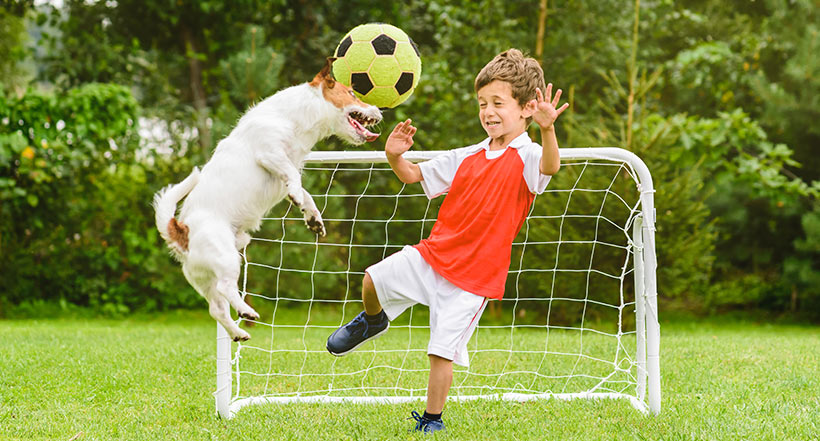
- Create a real play zone
If the kids always play soccer in the same spot, consider making that area more durable. Here's what's recommended:
- Aerate and overseed the area in early fall so it regrows stronger
- Use a tougher grass blend that handles traffic better
- Shift goals a few feet each month; this will also shift the wear marks
- Trade grass for something tougher where needed
Sometimes the best decision for your grass is to simply not have it in certain areas: under swings, next to trampolines, or in narrow side yards. Mulch, pea gravel, rubber tiles, or pavers can give you an attractive surface that's somewhat safer because it won't constantly turn to slippery mud.
- Protect entry and exit points
Spots just off the deck or back door get hammered. A small stone or paver landing—even an outdoor rug—can keep areas from becoming rutted and bare.
The goal is not to eliminate play. It is to guide play toward surfaces that can handle it and to relieve pressure on the areas you want to keep looking lush.
Step 4: Address digging and zoomies
Most dogs have a zoomie mode. Some also have a digging mode. Both are normal—and both can be hard on turf.
Addressing digging:
- Pick a designated digging zone for your pet. A corner with sand, loose soil, or a simple box lets them scratch the itch without wrecking the entire yard. Bury a toy or treat in this location and praise the pet when used.
- Block off areas where digging is dangerous such as areas near fences or foundations.
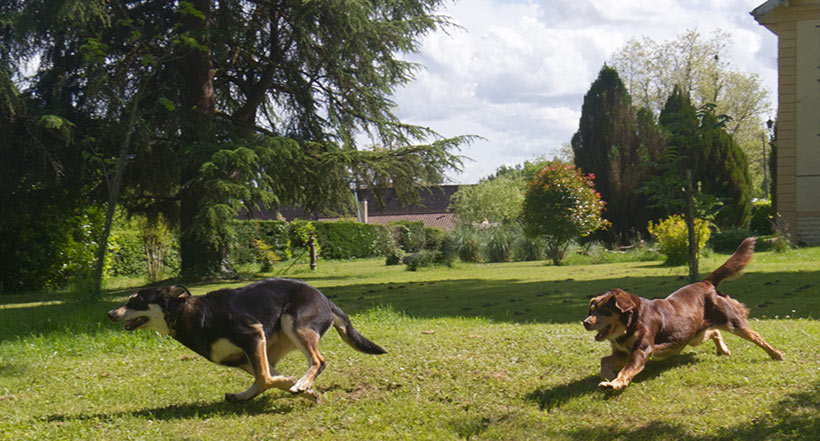
Addressing zoomies:
- If your dog runs the same track along the fence, widen that strip and convert it to mulch or stone
- Soften corners with shrubs or plantings outside the fence so the path is not a hard right angle
- Aerate and overseed that line in the fall to thicken it up
You will not stop zoomies, but you can soften the impact.
Step 5: Conduct a safety check for kids and pets
A family friendly lawn has to be safe as well as green. Late August is a good time to do a quick safety walk while the weather is still warm.
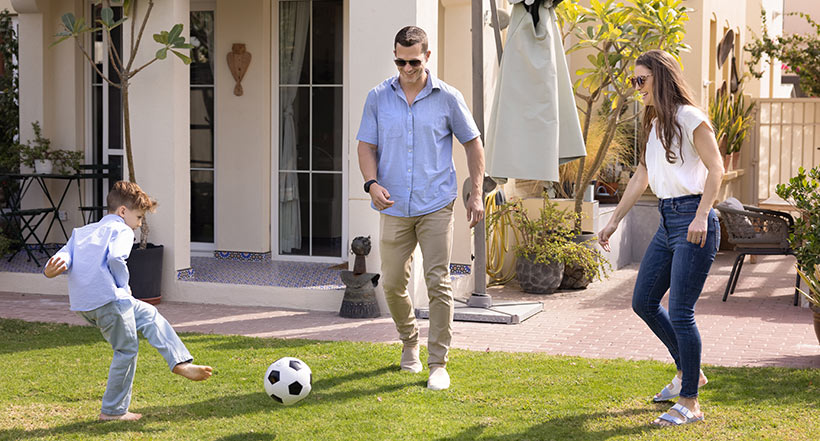
What you should look for:
- Exposed roots or stumps that could trip running kids
- Broken edging, loose stones, or metal that could cut paws or bare feet
- Low hanging branches at kid-eye level
- Old hooks, wires, or stakes from past projects hiding in the grass
Clean up any tools or garden supplies that were inadvertently left out during summer projects. Make sure gates latch properly if you want to keep dogs contained and kids in view.
If you use lawn care products, store them securely and follow label directions so that children and pets stay off treated areas until it's safe to reenter.
Step 6: Late summer lawn care expressly for busy yards
By late August, your lawn is getting tired. Kids are squeezing in the last of their summer games and dogs are taking advantage of running laps. This is when a few wise steps can set you up for a strong recovery in the fall.
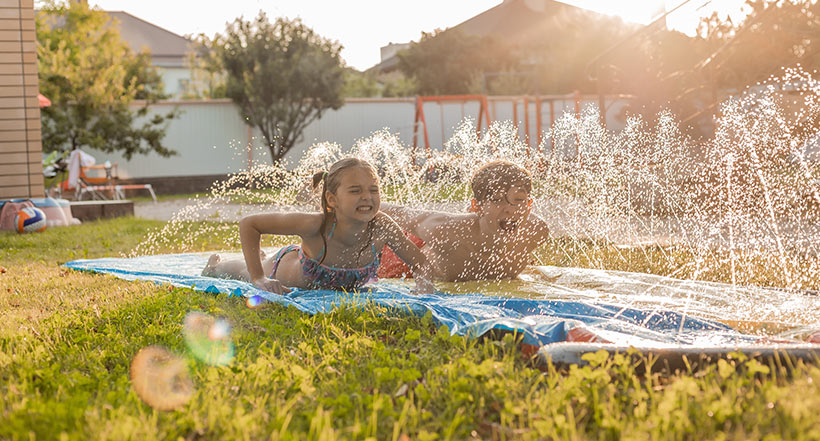
- Raise the mowing height
Keep grass at the higher end of the recommended range to help shade soil, protect roots, and hide minor wear.
- Keep watering sensible
Infrequent deep watering is still the rule. If parts of the yard are getting hammered by traffic, aim your water in those areas so that they do not completely give up before the fall season arrives.
- Plan for aeration and overseeding
Early to mid-fall is prime time in northern Illinois to help a family lawn recover. Aeration loosens compacted soil from all that running around. Overseeding thickens turf, allowing it to better handle next summer's action.
If you have high traffic spots, mention them when you schedule professional services. A tailored plan makes a big difference.
Step 7: Choose your battles and enjoy the yard
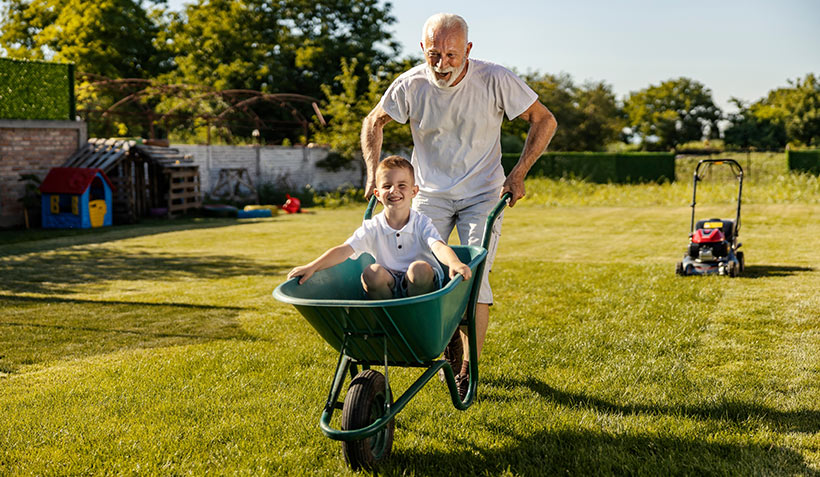
Here is the honest truth. A lawn that supports kids, pets, and real life will not look like a golf course. That is okay.
Consider what you'll have:
- A soft green surface underfoot
- A front yard that makes the house look good
- A backyard that feels welcoming and comfortable
How to get there:
- Accept that a few worn patches in a play zone will be normal
- Protect the areas that matter most with a wise design
- Use the fall season to repair and reset your yard after a busy season
If you are not sure how to balance things in your specific yard, the LawnCare by Walter team can help you map out zones, solve recurring pet or play problems, and build a plan that keeps both your lawn and your family happy.
Remember, at the end of the day the best yard is the one that gets played on and laughed in. Follow a few wise rules and it will surely bounce back for next season's games, zoomies, and summer fun!
 Max 6 min read