Design
  Residential
  Commercial


We're all familiar with that moment when we know the air has shifted. Evenings cool, mornings feel a little crisp, and you spot that first leaf that has just turned color. For some it can be a relief from the heat; for others it's a way to know the holidays are coming. Fall has arrived.
Fall is the best season to make big progress with your yard. Grass is happier, weeds are weaker, and the soil is more cooperative. If spring is showtime, fall is the strategy meeting where the real work gets done.
Fall is the best season to make big progress with your yard. Grass is happier, weeds are weaker, and the soil is more cooperative. If spring is showtime, fall is the strategy meeting where the real work gets done.
Why your lawn loves fall more than spring
Cool season grasses that are common in the northern climate are built for moderate temperatures. They can survive summer heat and winter cold, but they thrive when days are mild and nights are cool.
In fall you get a sweet spot:
- Soil is still warm from summer, which helps seed germinate and roots grow
- Air temperatures drop, which reduces stress on the grass
- Weeds begin to slow down and shift energy into their roots
It's a mix with three big advantages:
- New grass gets a head start
- Existing turf can recover from summer abuse
- The work you do now carries into next spring
Spring looks more dramatic because everything is green. Fall is when you set up that show.
A few weeks of attention in September and October can give your lawn a look that behaves differently next spring.
Win #1: Overseeding tired areas while conditions are on your side
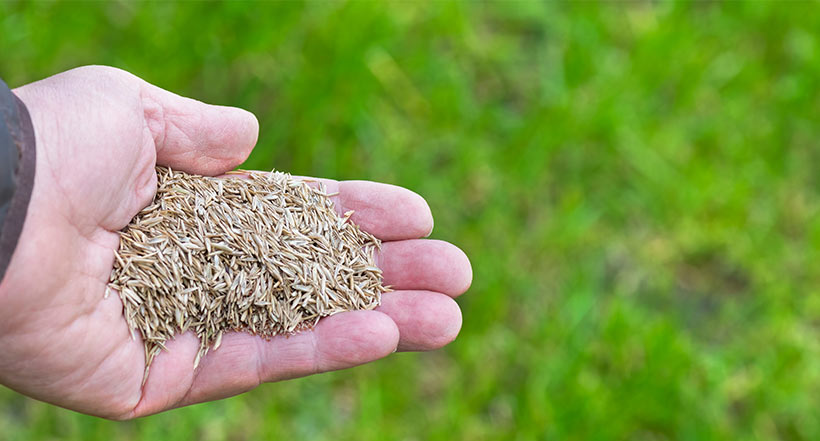
If your lawn took a beating from kids, pets, heat or disease, late summer into fall is your best chance to bring it back. Overseeding is simply adding new grass seed into an existing lawn to thicken it and fill in thin spots.
Why fall overseeding works well in the Rockford region:
- Soil is warm, so seed wakes up fast
- Cooler nights reduce stress on tiny seedlings
- There is less competition from summer annual weeds
How to make the most of fall overseeding:
- Mow a bit shorter on your last cut of the season so sunlight reaches the soil
- Rake out dead patches and loosen the top layer of soil
- Use quality seed that is suitable for the area, not a bargain mystery mix
- Spread seed evenly and aim for good seed-to-soil contact
- Water lightly and consistently until you see germination
A few weeks of attention in September and October can give your lawn a look that behaves differently next spring.
Win #2: Core aeration that lets your lawn breathe again
Feet, paws and mowers press down on your soil all season long. Over time, that compaction squeezes out air spaces, making it harder for water and nutrients to move throughout the lawn and allow roots to expand.
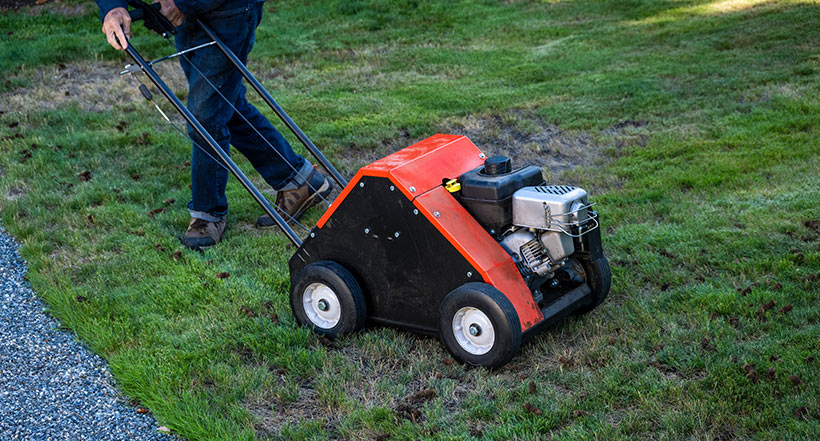
Core aeration removes small plugs of soil across the lawn and drops them back on top. It looks a little odd for a few days, but it is one of the most beneficial things you can do for a tired lawn.
Why is fall the best time to aerate your lawn?
- Grass is actively growing and can heal from the small holes
- Aeration paired with overseeding will allow seed to fall into the cores
- Cooler temperatures reduce stress on compacted turf
Benefits you will notice:
- Softer, more responsive soil
- Better water penetration
- Less runoff during heavy fall rains
- Stronger turf built for traffic
If you are planning any serious repair to your lawn or plan on overseeding, it is best to aerate first.
Win #3: Fertilizing for roots, not just color
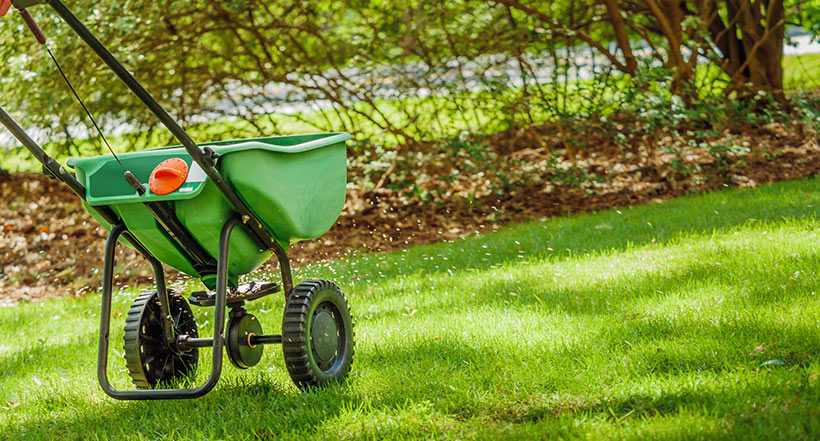
Many people think of fertilizer as a spring ritual, but for cool season lawns, the most important feeding typically takes place in fall.
In late August through October, your grass is shifting into recovery and storage mode. Instead of just pushing leaf growth, it is building roots and storing carbohydrates so it can survive winter and green-up strongly next spring.
How the right fall fertilizer program will help your lawn
- Repair summer damage
- Grow deeper, denser roots
- Improve color and density before winter
- Wake up greener when spring returns
A few simple guidelines:
- Use a product specifically meant for the area, not a one-size-fits-all bag
- Avoid very heavy nitrogen on stressed or diseased turf without a plan
- Time the feeding for early fall while grass is still actively growing
Think of fall fertilizing as putting money in the bank. You are not just buying a short green pop. You are investing in how your lawn will look and perform for the next 6 to 9 months.
Win #4: Tackle weeds when they're letting their guard down
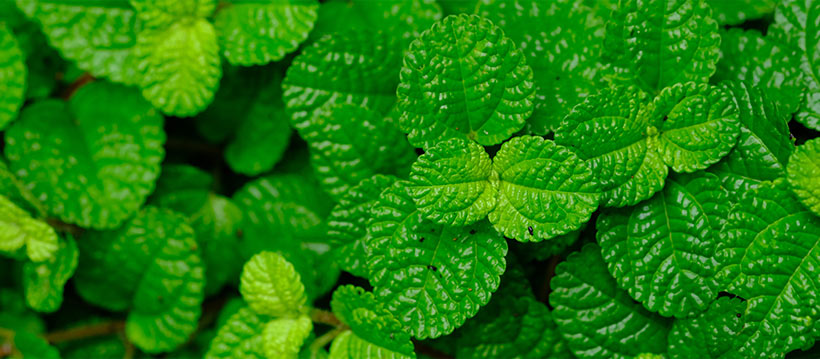
Weeds that laughed at you in June become much more vulnerable in late summer and fall. As days shorten, many common broadleaf weeds start pulling nutrients down to their roots to prepare for winter.
If you tackle weeds at the right time in fall, you are not just burning off leaves, you are sending products down into the root system where they'll conquer your lawn's enemy.
What you can expect to conquer in the fall:
- Dandelions
- Plantain
- Creeping Charlie
- Other tough perennials
Combine this with a fall overseeding and fertilization plan and weeds find themselves surrounded by stronger, thicker turf that leaves less open space for them to return.
If you are unsure which weeds you are dealing with or how aggressive you should be, that is a great conversation to have with your lawn care provider.
Win #5: Leaf management that helps, not hurts
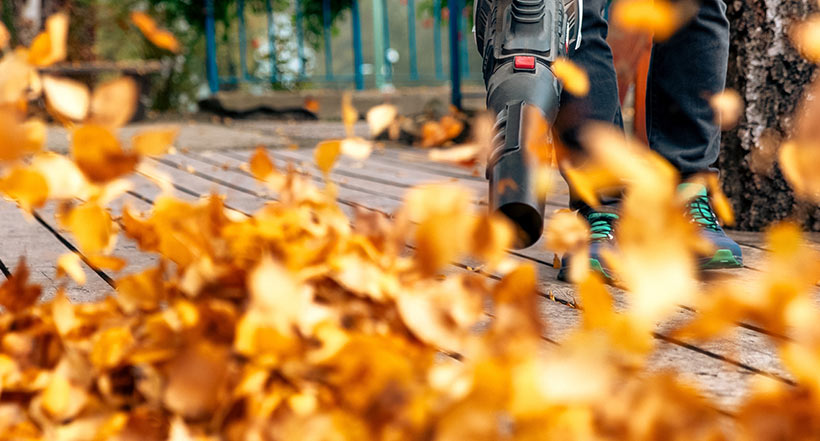
Leaves are the most visible symbol of fall and one of the biggest sources of confusion. Some people bag every leaf. Others let them pile up and hope for the best.
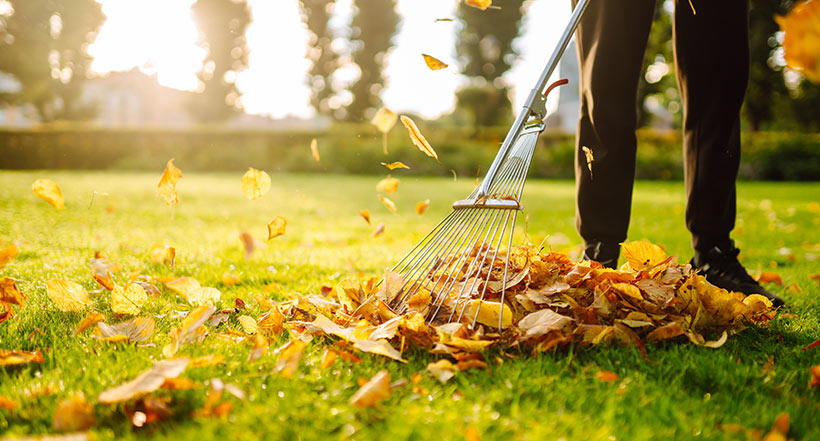
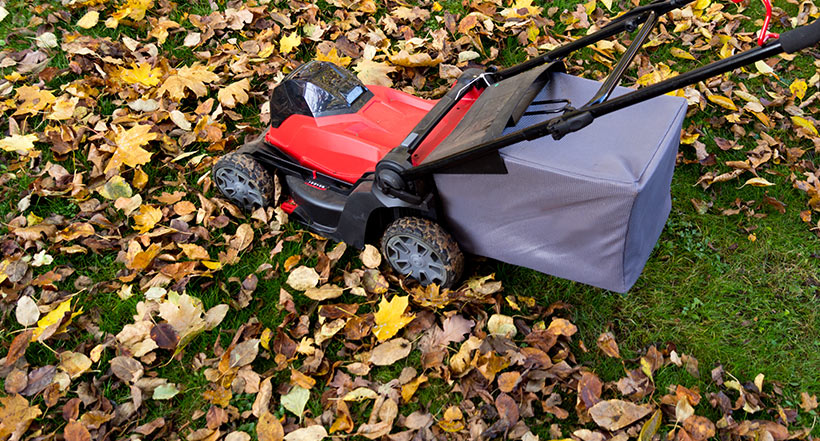
A thick, matted layer of leaves left on the lawn all winter can smother grass, invite disease and create bare spots by spring. On the other hand, finely chopped leaves can be a helpful organic boost.
How to make use of a simple approach:
- During light to moderate leaf drop, use a mulching mower to chop leaves into small bits and leave them on the lawn
- When leaf fall is heavy, alternate between mulching and removing to keep layers from getting too thick
- Do not leave dense piles in shady or wet areas where they will mat down and block light and air
Your goal is to acquire a thin layer of shredded organic material that breaks down and feeds the soil, not a wet blanket that suffocates turf.
Win #6: Planning ahead instead of playing catch up
Fall is also the perfect time for a "yard strategy meeting" with yourself or with a pro. While the season is still fresh in your mind, ask a few questions.
- Where did the lawn struggle most this summer?
- Which areas took the most traffic from kids and pets?
- Were there recurring problems like pooling water, recurring weeds or disease?
Next, match those observations with fall actions.
- Overseed and plan for aeration in thin, highly trafficked areas
- Consider adding or adjusting downspouts where dampness is chronic
- Work with a lawn professional to adjust mowing, watering and nutrition
By acting now, you give improvements months to settle in before winter. Next spring, you are not starting from scratch; you are building off the work from the previous fall.
Where LawnCare by Walter fits in
You can do a lot of fall work on your own, but you do not have to manage it alone.
How LawnCare by Walter can help:
- Timely aerate, overseed and fertilize
- Apply seed blends suited to the region's soil and weather
- Identify whether thin or patchy areas are from traffic, insects, disease or something else
- Build a simple fall plan that fits your yard, your schedule and your goals
Fall is the best chance to move your lawn forward. When you rake it in now, you are not just cleaning up leaves; you are earning future wins in the form of thicker turf, fewer weeds, and a yard that is ready to impress everyone when the first warm day of spring finally rolls back around.
 Max 6 min read